Marmalade: a bit of Portugal in every jar

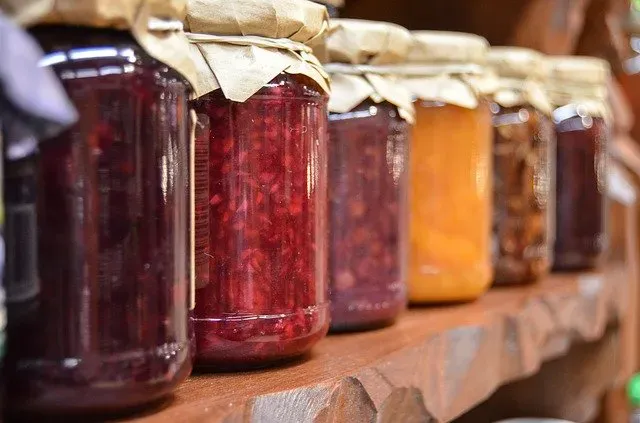
Marmalade or marmelada?
Both. English marmalade inspired Portuguese marmelada. Or was it the other way around?
Either way, marmelada is to the Portuguese what quince cheese is to the English, and membrillo to the Spanish.
Here is the giveaway. Marmelada is made of quince, and the Portuguese word for quince is marmelo. English marmalade is made of oranges, and takes its name from no fruit at all. You can see where this is going.
Quince grows well in Portugal, and it does grow on trees here. For a few months a year the fruit fills the air with its scent and the gardens with a bright golden yellow. Only a few months, sadly.
Tempting as the ripe fruit looks, you cannot pick one and eat it there and then, however much you want to. Quince only tastes as good as it looks once it has been cooked, and it is at its best as marmelada, which holds that soft texture and complex sweetness all year round.
Marmelada as drama
The Portuguese do spread their marmelada, but the more common version is the mature one, firm enough to slice like cheese. Either way, our national quince cheese is at its best paired with actual cheese. That sugary, salty, tangy combination has a name here: Romeu e Julieta, after Shakespeare's tragedy. The Portuguese version of the story ends on a considerably sweeter note.
Marmelada shows up in the Portuguese record as early as 1521, when Pedrinho, a character written by the dramatist Gil Vicente, dreams of having so much marmelada at home that even his mother gives him some. Poor Pedrinho.
From Portugal with love
Londoners first tasted marmelada some time in the sixteenth century, and it was the Portuguese who brought it. The British, having tried the stuff and understood the point of it, set about making marmelada out of whatever fruit they happened to have. The name came along regardless.
How marmelada turned into marmalade
Since the seventeenth century England has been making its own orange version and calling it marmalade. Bitterness and all, Britons remain devoted to it. Devoted enough that Paddington Bear's favourite and only sandwich filling is marmalade, and that Cumbria hosts an annual marmalade festival.
How marmelada became goiabada
In the New World, the Portuguese found equally fertile ground. Like the English, Brazilians took the idea, adapted it, and renamed it goiabada, after the guava. And like everything in Brazil, which tends to be either saltier or sweeter than its European counterpart, this one is sweeter. Following the British lead, it has its own festivals too.
So I do think both English marmalade and Brazilian goiabada have Portuguese roots. I also think that, over these last five hundred years, the Portuguese have kept their hand for sweet things. Following in marmelada's well-travelled footsteps, there is the pastel de Belém.
Thanks for reading. Leave us a comment and tell us what you make of all this.

Join the conversation