Traditional Portuguese food: the dishes worth ordering

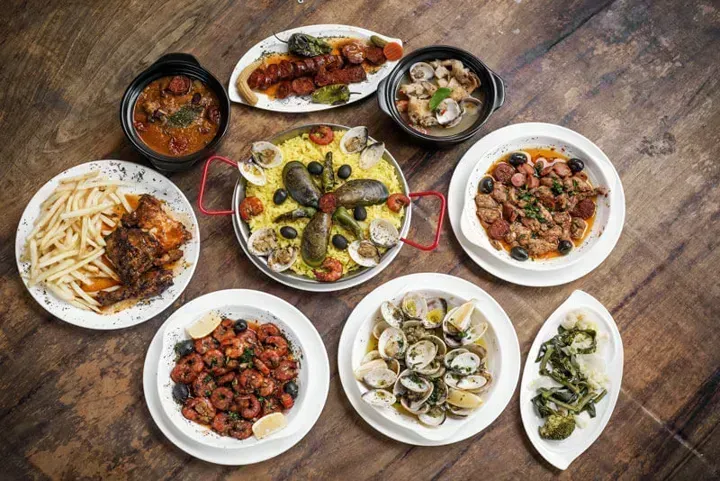
Portuguese cooking is not as widely known as French, Spanish, Italian, Greek or Turkish. It is a bit like Peruvian food a decade or two ago: an old, largely unchanged tradition that most people had simply never thought to try, until suddenly everyone had. If you enjoy eating your way into a country, Portugal will surprise you. Between the food itself, the number of genuinely affordable restaurants, and the wine and beer, it is hard to eat badly here.
What follows is a short guide to the dishes we would actually order.
Fish
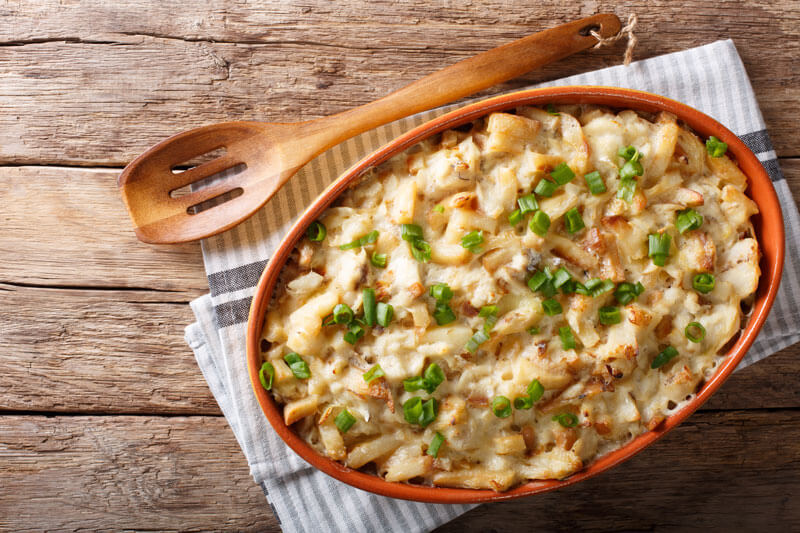
Portugal eats more fish per person than almost any country in the world, so fish sits at the centre of the cooking. Cod is the clear favourite, and the standing claim is that there are more than 365 ways to cook it, one for every day of the year. It is even what many families eat on Christmas Eve. The best-known recipes are bacalhau à Braz, bacalhau com natas, bacalhau espiritual and bacalhau à lagareiro. If you cannot choose, ask the restaurant for their own cod speciality; that is what a local would do.
There is plenty beyond cod. In summer, grilled sardines with salad and bread are a fixture at any gathering or street festival. Polvo à lagareiro is octopus, boiled and then roasted with garlic, olive oil and chopped coriander, and it is very good. So is dourada grelhada, grilled sea bream, usually served with potatoes, salad and a generous pour of olive oil.
Meat
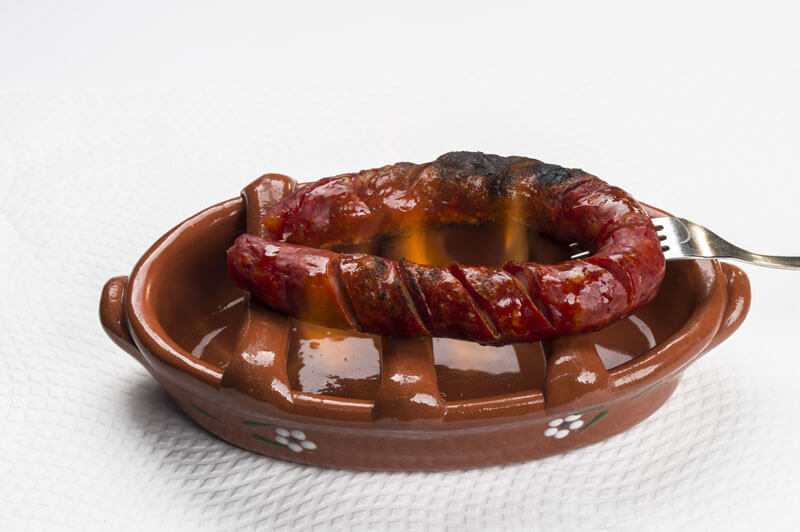
Meat eaters have nothing to worry about. Start with cozido à portuguesa, a big stew of beef, pork, chicken, several cuts of smoked pork, sausages and vegetables. Or arroz de pato, duck and rice, cooked and then finished in the oven so the top goes slightly crisp. And do not leave without trying chouriço assado, smoked sausage grilled in flames at your table.
In the Alentejo, Iberian black pigs range free in the cork forests. The meat they produce goes into cured ham, black pudding and other traditional sausages, along with excellent steaks and cutlets. The dish to order is secretos de porco preto, grilled pork steaks from a cut close to the shoulder. The meat comes out soft, and the fat running through it melts just enough to give the whole thing its flavour.
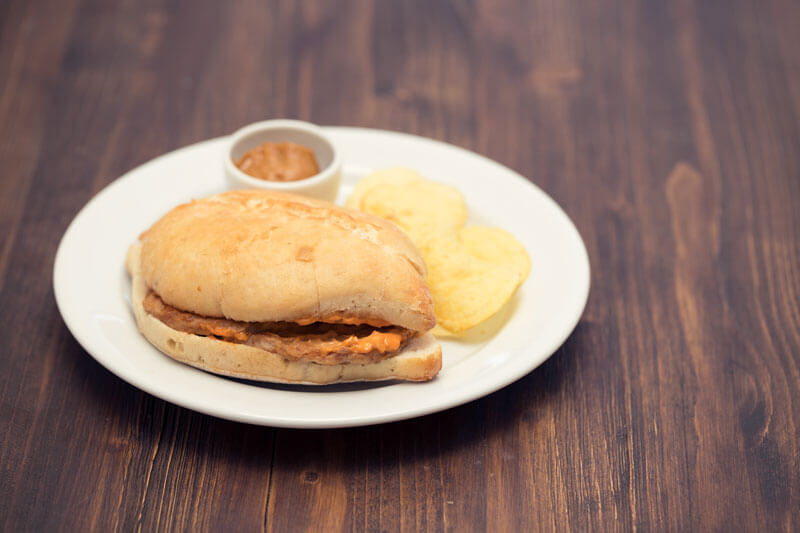
In Porto, the local speciality is francesinha, a Portuguese answer to the croque-madame, and most bars and restaurants make their own version. Last but not least, look out for the bifana: sliced pork loin marinated in onion and piri-piri, in a bread roll, with a smear of sweet mustard.
Desserts
The famous one is the pastel de nata, a custard tart that was designed, whether or not anyone admits it, to be eaten alongside a Portuguese espresso. In Belém, in Lisbon, order the original pastel de Belém instead, which follows a secret recipe from the nearby Jerónimos monastery and is worth the queue.
Chocolate mousse is more traditional here than you might expect: melted chocolate, sugar, egg yolks and whipped whites, and nothing else. Natas do céu is a relative, combining egg yolks with sugar, vanilla, cinnamon, lemon, cream and crushed biscuits. Then almost every region has its own: ovos moles in Aveiro, pastéis de Tentúgal near Coimbra, queijadas in Sintra.

Seafood
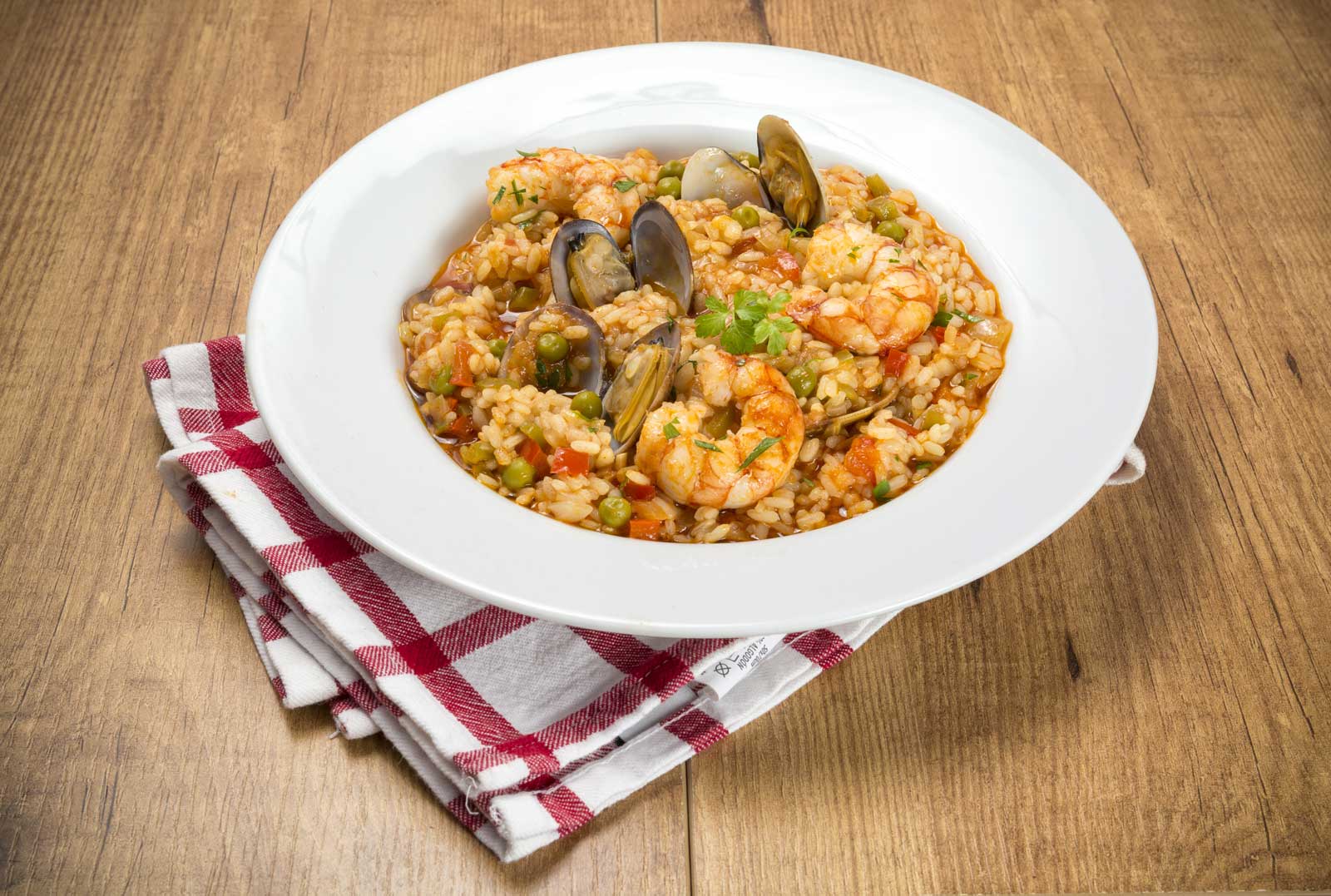
For seafood, look for a cervejaria or a marisqueira. The dish everyone knows is arroz de marisco, seafood and rice in a rich, creamy sauce.
To start, we would order sapateira recheada, crab meat mixed into a creamy dressing and served with toast. Or ameijoas à Bulhão Pato, clams in lemon and wine, which needs a lot of bread to deal with the sauce properly. It makes a very good first course, or an excuse to sit with a beer on a terrace by the beach. And in Setúbal, order choco frito, deep-fried cuttlefish, which is the town's speciality.

Join the conversation